If you are getting ready to sell in Palo Alto, it can be tempting to assume the market will do all the work for you. After all, homes here move quickly and prices are high. But even in a strong market, buyers still react to value, presentation, and timing, so the right strategy matters from day one. This guide will show you how to price and position your Palo Alto home to stand out and attract serious offers. Let’s dive in.
Why pricing still matters in Palo Alto
Palo Alto is a fast-moving market, but it is not a market where any price works. Redfin’s May 2026 data shows a median sale price of $3,597,847, homes selling in about 12 days, and an average of 3 offers per sale. Homes also closed at 106.2% of list price on average, which tells you buyers will compete when a home is priced well.
At the same time, the market still rewards discipline. Redfin reports that 63.8% of homes sold above list price, but 17.6% had price drops. That mix is important because it shows two truths at once: buyers will move fast for the right listing, and they will hesitate when a home feels overpriced.
Start with micro-market pricing
A Palo Alto price strategy should begin with the right comp set, not a citywide average. Zillow’s neighborhood value ranges show why. Current values vary from about $3.89 million in Green Acres and $3.83 million in Barron Park to about $2.57 million in Ventura and $2.61 million in Charleston Meadow, with College Terrace around $3.15 million.
That spread means your pricing should reflect your specific location, lot size, condition, layout, and likely buyer pool. A broad “Palo Alto average” can be a useful headline, but it is not enough to set a list price. Buyers in this market tend to compare homes very closely, especially when similar inventory appears at the same time.
What buyers compare closely
In a market with a median sale price per square foot of $2.09K, buyers often pay close attention to how usable and polished a home feels. Redfin reports that this figure is up 18.6% year over year, which puts even more focus on efficiency and finish quality.
When buyers look at comparable homes, they are often weighing:
- Neighborhood location
- Lot size
- Interior layout and flow
- Remodel level
- Finish quality
- Outdoor usability
- Overall move-in readiness
If your home checks many of these boxes, that can support a stronger pricing position. If it needs work or has a less efficient layout, pricing needs to account for that clearly and early.
Avoid the overpricing trap
One of the biggest mistakes sellers make is aiming too high at launch and planning to adjust later. In theory, that can sound safe. In practice, it often costs time and weakens leverage.
Redfin’s March 2026 stale-listings report found that listing a home 10% or more above market can add more than a month to time on market. The same report notes that price cuts can carry stigma with buyers. In a market as quick as Palo Alto, using the first few weeks to test an unrealistic price can make a fresh listing lose momentum.
Why first impressions matter so much
Buyers notice when a new listing enters the market. That first wave of attention is often your best chance to create urgency, especially in an area where homes can go pending in around 11 to 12 days based on Zillow and Redfin data.
If the list price feels credible, buyers are more likely to schedule a showing right away, compare seriously, and submit strong offers. If the price feels disconnected from the home’s condition or comp set, buyers may wait, watch, or move on.
Position the home before it hits the market
Pricing and positioning should work together. The strongest list price in the world cannot do its job if the home does not show well online or in person.
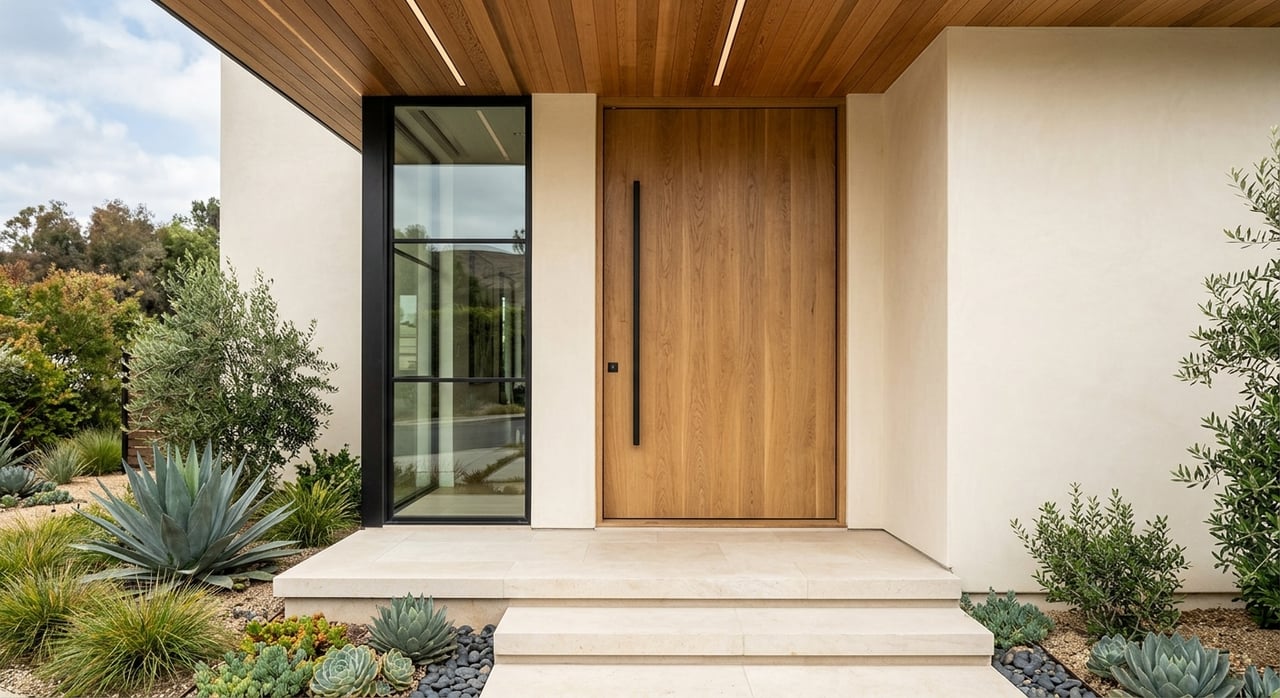
The good news is that many of the most effective prep steps are practical, not dramatic. According to the 2025 staging survey, sellers’ agents most often recommended decluttering, entire-home cleaning, and curb appeal improvements before listing. Those simple steps can help your home feel more spacious, better maintained, and easier for buyers to picture as their own.
Focus on the rooms buyers notice first
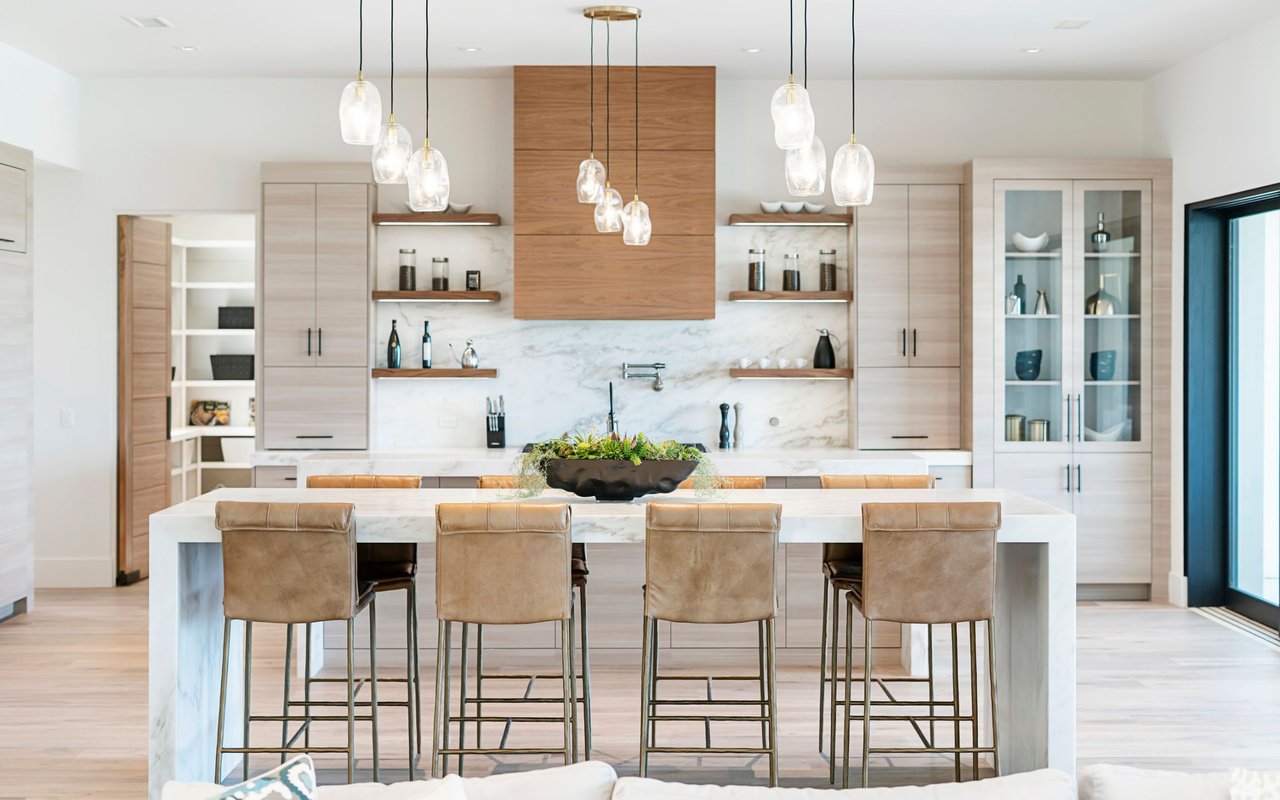
The same survey found that buyers’ agents saw the most value in staging key spaces, especially the living room, primary bedroom, and kitchen. These are the rooms where buyers often form their emotional impression of a home.
That does not mean every home needs a full designer makeover. It means the rooms that carry the most visual and functional weight should look clean, balanced, and intentional.
The best pre-listing priorities
Before your home goes live, focus on the improvements most likely to support price perception:
- Decluttering throughout the home
- Deep cleaning
- Curb appeal touch-ups
- Minor repairs
- Thoughtful staging in main living areas
- Professional photography
These steps help buyers feel that the home has been cared for. They also support stronger listing media, which matters more than ever in Palo Alto’s digital-first search environment.
Strong media supports stronger pricing
Your online presentation is part of your pricing strategy. It is not a separate marketing extra.
The 2025 staging survey found that buyers’ agents rated photos as the most important listing asset, followed by traditional physical staging, videos, and virtual tours. It also found that 31% of buyers’ agents said staging made buyers more willing to walk through a home they first saw online.
Why digital presentation affects offers
When buyers see polished, clear, well-composed photos, they are more likely to believe the home is worth seeing in person. That matters because showings create the competition that supports strong offers.
In a market where many homes attract multiple offers, your goal is not just exposure. Your goal is to make the right buyers feel that your home belongs on their short list immediately.
Speak to Palo Alto buyers locally
Palo Alto’s buyer audience is heavily local and regional. Redfin’s migration data shows that 75% of homebuyers searched to stay within the metro area, while only 3% searched to move in from outside metros.
That suggests your home should be marketed with specific local context rather than broad, generic messaging. Buyers already familiar with the Peninsula often know how to compare blocks, lot types, commute patterns, housing styles, and renovation standards. They are not shopping by city name alone.
What local positioning looks like
Local positioning means highlighting the details that matter within your immediate comp set. That can include things like layout advantages, lot utility, indoor-outdoor flow, remodel quality, and how the home compares to recent nearby sales.
It also means being realistic. Local buyers are often well informed, and they tend to spot overreach quickly. A grounded, data-backed presentation usually performs better than inflated language.
Time the launch carefully
Even in a market as active as Palo Alto, timing can shape your result. Redfin’s 2026 seasonality analysis says the Bay Area has the most seasonal housing market in the nation. The same report places prime listing timing in mid-March for San Jose and late March for San Francisco, which supports an early-spring launch approach for Palo Alto.
The larger takeaway is simple: do your prep before you list. If you want to catch the strongest buyer activity, you do not want to spend your first weeks on market cleaning up presentation issues or fixing a price that missed the mark.
Prepare early, then launch cleanly
A clean launch often means:
- Reviewing neighborhood-level comps
- Choosing a list price with discipline
- Completing repairs and cosmetic prep
- Decluttering and cleaning thoroughly
- Staging the rooms that matter most
- Capturing strong photography and video
- Going live when the home is ready, not just when convenient
That approach is especially useful in a market where stale inventory is relatively limited across the Bay Area. Homes that are priced and presented well can move fast, but listings that miss the moment can stand out for the wrong reason.
The goal is attention with credibility
Many sellers think standing out means pushing the price to the edge. In reality, the best listings stand out because they create immediate interest and still feel believable.
That balance is what drives urgency. When buyers see a home that looks polished, feels well positioned, and appears fairly priced against local alternatives, they are more likely to act quickly and compete.
A smart Palo Alto strategy is both analytical and human
Selling a home here is not just about chasing the highest possible number. It is about understanding how buyers in your specific segment will respond to price, condition, and presentation.
In Palo Alto, that usually means looking beyond citywide averages, using neighborhood-specific comps, preparing the home thoughtfully, and launching with a clear plan. When those pieces work together, your home has a much better chance of standing out for the right reasons.
If you want a thoughtful, data-backed plan for pricing and positioning your Palo Alto home, Christy Lin can help you approach the process with clarity, strategy, and steady guidance.
FAQs
How should you price a home in Palo Alto?
- You should price a Palo Alto home using neighborhood-level comparable sales, condition, lot size, layout, and finish quality rather than relying on one citywide average.
Why can overpricing a Palo Alto home hurt your sale?
- Redfin’s March 2026 report found that listing a home 10% or more above market can add more than a month to time on market, and later price cuts can make buyers view the listing less favorably.
What helps a Palo Alto listing stand out online?
- Professional photos, strong physical staging, clean presentation, and thoughtful prep can make buyers more likely to tour the home after seeing it online.
When is a good time to list a home in Palo Alto?
- Research suggests Palo Alto sellers should prepare for an early-spring launch window, since Bay Area seasonality tends to favor listing before spring fully starts.
Which home improvements matter most before listing in Palo Alto?
- Decluttering, entire-home cleaning, curb appeal improvements, minor repairs, and staging key rooms like the living room, primary bedroom, and kitchen are among the most useful pre-listing steps.